

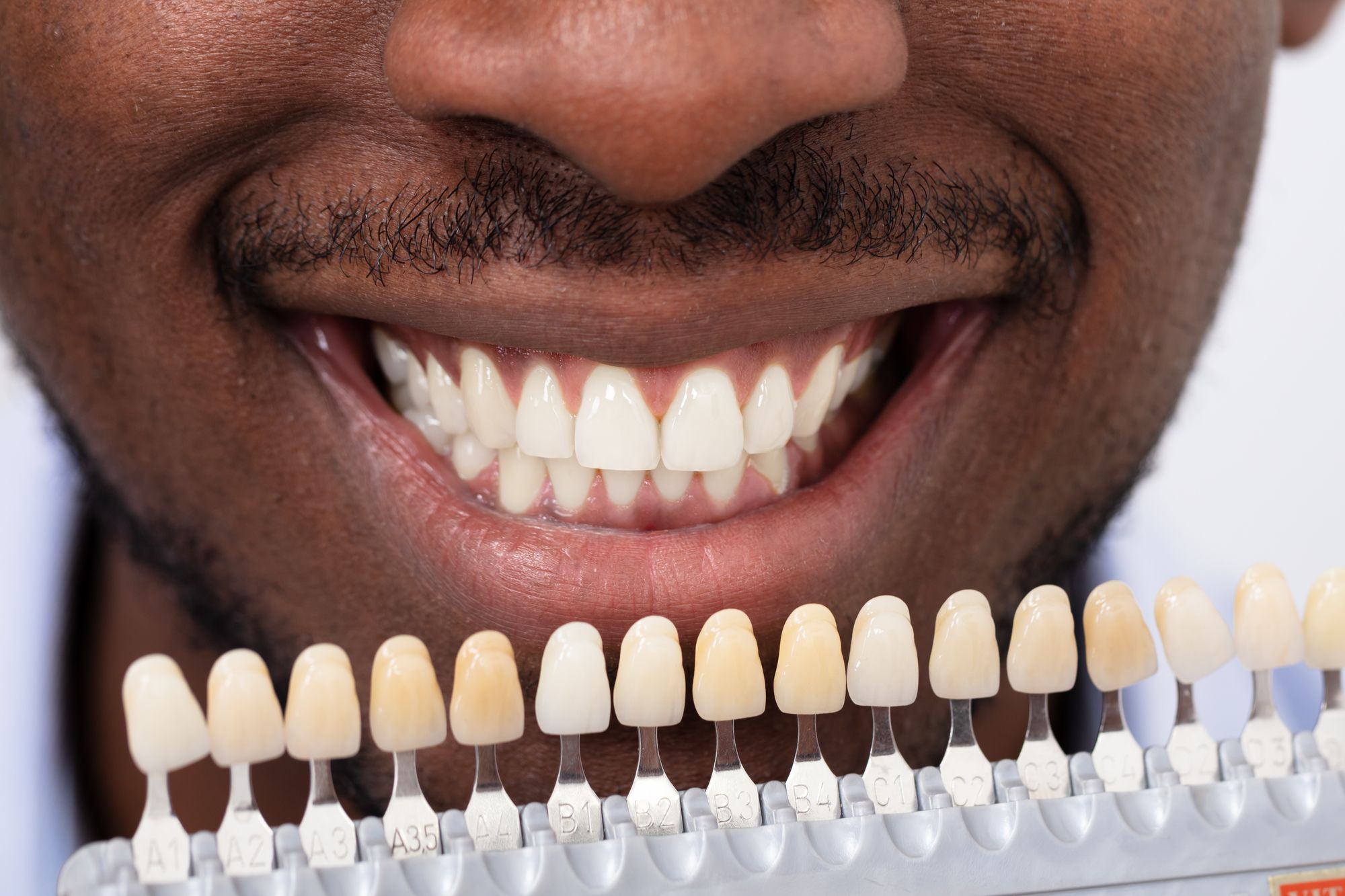
A smile does not need to look perfectly uniform to be attractive. For many people, improving a small gap, uneven edge, or stubborn discoloration is enough to feel more confident. No-prep veneers may offer a conservative way to make these changes without significantly altering the natural teeth.
Table of Contents
- What Are No-Prep Veneers?
- What Can No-Prep Veneers Improve?
- Who Is a Suitable Candidate?
- When Might Another Treatment Be Better?
- How Do No-Prep and Traditional Veneers Differ?
- Can No-Prep Veneers Look Natural?
- What Happens During the Process?
- Are They Truly Reversible?
- How Long Do No-Prep Veneers Last?
- Questions Worth Asking at Your Consultation
- Frequently Asked Questions
- Conclusion
Unlike conventional veneers, which commonly require some enamel reduction, no-prep veneers are exceptionally thin. In suitable cases, they can be placed with little or no preparation. This sounds appealing, but the treatment is not right for every smile. Tooth position, enamel health, bite alignment, and the type of improvement you want all affect whether it is a suitable option.
Before choosing veneers in Agoura Hills, it is important to understand what no-prep treatment can realistically achieve. A dentist should examine your teeth, listen to your concerns, and explain the available options before recommending any cosmetic procedure.
What Are No-Prep Veneers?
No-prep veneers are thin shells placed over the visible surfaces of selected teeth. They are commonly made from porcelain or another dental ceramic and are created to match the shape, shade, and proportions of the surrounding smile.
Their thin construction may allow a dentist to place them without removing much enamel. In some cases, no enamel needs to be removed. In others, slight reshaping may be needed around the edges or surface of the tooth to create a natural fit.
The phrase “no-prep” can sometimes be misleading. It does not mean the process is identical for every patient. The amount of preparation, if any, can only be determined after a clinical assessment.
What Can No-Prep Veneers Improve?
This treatment is generally most effective when a small amount of added material can improve the appearance of a tooth. It may be considered for:
- Small gaps between teeth
- Mildly uneven or irregular tooth shapes
- Minor chips
- Worn tooth edges
- Teeth that appear undersized
- Certain types of discoloration
- Slight differences in smile symmetry
No-prep veneers change the visible surface of a tooth, but they do not treat underlying dental disease. Cavities, gum inflammation, infections, or other oral health concerns should be addressed before cosmetic treatment begins.
They are also unlikely to correct severe crowding, significant tooth rotation, or major bite problems. In these circumstances, orthodontic or restorative treatment may be more appropriate.
Who Is a Suitable Candidate?
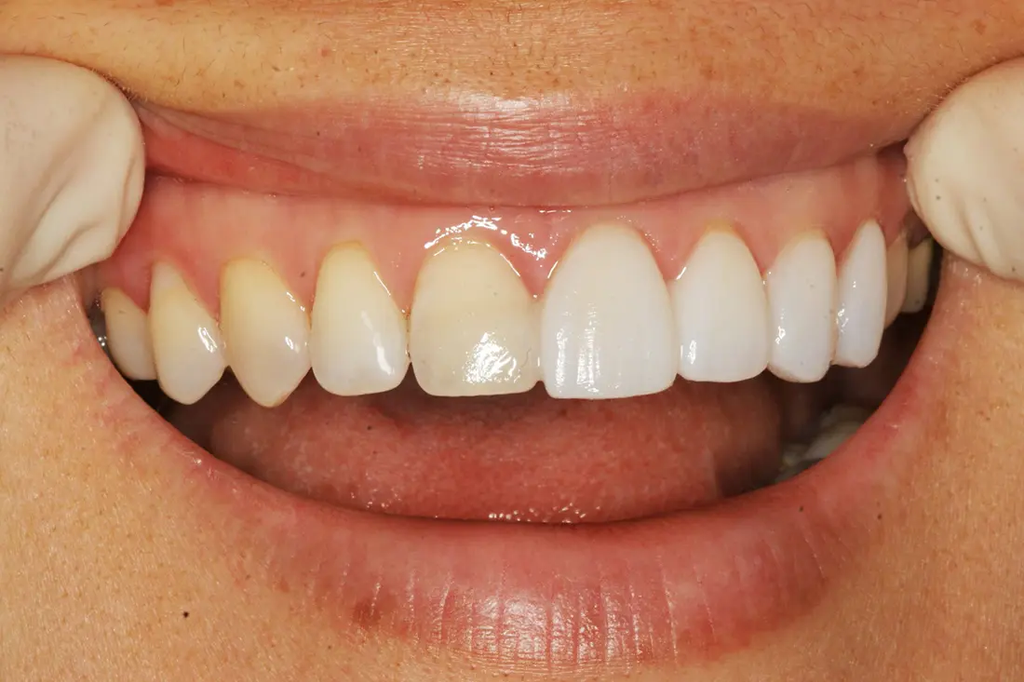
Someone with healthy teeth, stable gums, and adequate enamel may be considered for no-prep veneers. The treatment can work particularly well when the teeth are slightly small, positioned inward, or separated by minor spaces.
Your bite is another important factor. The dentist must check how your upper and lower teeth meet because repeated pressure on the edges of a veneer may cause premature wear or chipping.
People who grind or clench their teeth are not automatically excluded, but the habit needs to be assessed. Depending on its severity, a dentist may suggest a protective night guard or recommend a different treatment.
Expectations matter as well. No-prep veneers tend to create subtle changes. Patients wanting substantial alterations to tooth color, position, or size may need another approach.
When Might Another Treatment Be Better?
Adding a thin layer to a tooth can make it appear slightly fuller. If the teeth already project forward or are heavily crowded, no-prep veneers could create an overcontoured or bulky result.
Another option may be recommended when a patient has:
- Deep internal staining
- Large fractures or fillings
- Significant enamel damage
- Active tooth decay
- Untreated gum disease
- Severe crowding
- A heavy or unstable bite
Alternatives can include whitening, composite bonding, orthodontic treatment, traditional porcelain veneers, or crowns. Each option serves a different purpose.
For example, whitening may be enough when color is the only concern. Bonding can address selected chips or gaps, while clear aligners may improve tooth position without covering the enamel. Crowns are generally considered when a tooth needs more extensive structural support.
A thoughtful treatment plan should consider these alternatives instead of assuming that one procedure is appropriate for everyone.
How Do No-Prep and Traditional Veneers Differ?
The main difference is the amount of tooth preparation involved.
Traditional porcelain veneers usually require the dentist to remove a controlled amount of enamel. This creates space for the restoration and helps it sit naturally against the tooth. Conventional veneers may offer greater flexibility when changing tooth shape, size, shade, or visible position.
No-prep veneers require less alteration, but that conservative approach also creates limitations. Because the restorations are thin, they may not conceal severe discoloration or make major changes to prominent teeth.
Neither type is automatically the better option. The right choice depends on the condition of your teeth, the result you want, and the amount of natural tooth structure that can reasonably be preserved.
Can No-Prep Veneers Look Natural?
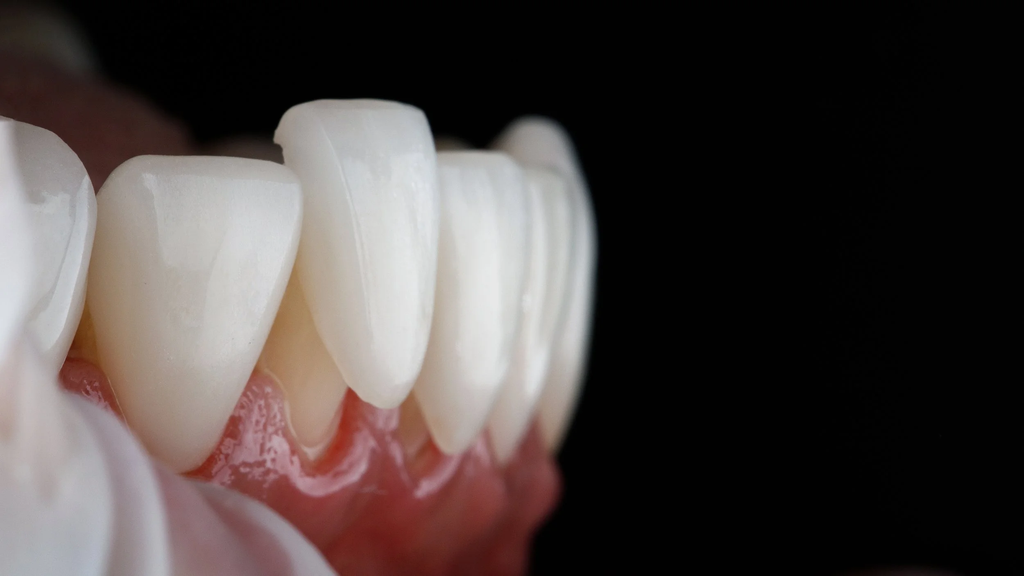
A natural-looking result depends on more than choosing the right shade. Tooth shape, surface texture, translucency, edge detail, facial proportions, and gum contours all influence how the finished smile appears.
Teeth are not naturally flat, perfectly white, or completely identical. Small variations in shape and translucency often make a smile appear more realistic. Veneers that are too opaque, bright, or uniform may stand out for the wrong reasons.
Photographs, digital scans, and a preview of the proposed shape can help guide treatment. Patients should also ask to see examples of cases similar to their own. This can provide a better understanding of the dentist’s style and approach.
What Happens During the Process?
Treatment begins with a consultation and oral examination. The dentist reviews your concerns, checks the health of your teeth and gums, and evaluates your bite.
Photographs, X-rays, impressions, or digital scans may be taken to support treatment planning. The dentist then explains whether no-prep veneers are appropriate and discusses other reasonable options.
Some patients may be able to preview the proposed changes through digital imaging or a physical mock-up. This step can help you evaluate the planned shape and proportions before making a final decision.
If you proceed, the dentist prepares the tooth surfaces as needed. The completed veneers are checked for fit, shade, shape, and bite before they are bonded in place. A follow-up appointment may be arranged to check comfort and gum health.
Are They Truly Reversible?
No-prep veneers are sometimes described as reversible because they may require little or no enamel reduction. In practice, the answer is more complicated.
If enamel is reshaped, even slightly, that change is permanent. Removing a bonded veneer can also affect the tooth surface and must be handled by a dental professional. The tooth may need polishing, another veneer, or a different restoration afterward.
Before treatment, ask exactly how much preparation is expected and what your options would be if a veneer needed to be removed or replaced.
How Long Do No-Prep Veneers Last?
There is no single lifespan that applies to every patient. Longevity depends on the material, quality of placement, bite forces, oral hygiene, diet, and habits such as grinding or nail-biting.
Although veneers can last for many years, they are not permanent. They may eventually chip, loosen, wear, or need replacement. Understanding this long-term maintenance is an important part of deciding whether to proceed.
Veneers should be cleaned like natural teeth. Brush twice daily, floss carefully around the margins, and attend regular dental examinations and professional cleanings. Avoid biting ice, opening packaging with your teeth, or repeatedly chewing hard objects.

Agoura Advanced Dentistry can evaluate the health, position, and appearance of your teeth before discussing a personalized treatment plan.
Questions Worth Asking at Your Consultation
A consultation should give you enough information to make a comfortable and informed decision. Consider asking:
- Why are no-prep veneers suitable for my teeth?
- Will any enamel need to be removed?
- Are whitening, bonding, or aligners reasonable alternatives?
- What material will be used?
- Can I preview the proposed result?
- How will the treatment affect my bite?
- What are the risks and limitations?
- What care will the veneers require?
- What happens if one chips or becomes loose?
- When might replacement be necessary?
Specific answers are more useful than general promises. The dentist should also explain what the treatment cannot achieve.
Frequently Asked Questions
Does the procedure hurt?
Because little or no enamel may be removed, many patients find the procedure manageable. Individual experiences vary, and temporary sensitivity is possible. Your dentist can explain what to expect based on the proposed treatment.
Can no-prep veneers hide dark stains?
Their thin material may not fully conceal deep discoloration. Traditional veneers or another treatment may provide better coverage, depending on the cause and severity of the staining.
Can only one tooth be treated?
Yes, placing a veneer on one tooth may be possible. Matching its shade, shape, and translucency to nearby natural teeth requires careful planning.
Are veneers better than bonding?
Neither treatment is best in every case. Bonding can be easier to adjust and may suit minor concerns. Porcelain tends to resist staining well and may provide a different level of durability. The condition of the tooth and the intended change should guide the decision.
Does dental insurance cover this treatment?
Veneers are commonly classified as elective cosmetic care, so insurance may not cover them. Policies differ, and patients should verify their benefits before beginning treatment.
Conclusion
No-prep veneers can be a suitable choice for people who want to improve minor gaps, small chips, uneven edges, or selected forms of discoloration while preserving natural enamel. Their conservative nature is appealing, but their thin construction limits the amount of change they can provide.


