

Table of Contents
- Being Able to Eat Is Only Part of the Assessment
- Which Back Tooth Is Missing?
- Can Other Teeth Move Into the Gap?
- When Might Monitoring Be Reasonable?
- When Could an Implant Be Worth Considering?
- What Determines Whether You Are a Suitable Candidate?
- How Does an Implant Compare With Other Options?
- What Commitments Come With an Implant?
- Make the Decision Around Your Mouth and Your Priorities
- Frequently Asked Questions
A missing back tooth can be easy to overlook. The gap may not show when you smile, and eating might still feel manageable. If you have adapted without much discomfort, replacing the tooth may seem unnecessary.
A missing back tooth does not automatically need an implant, even if replacement could be beneficial. The decision depends on which tooth is missing, how your remaining teeth function together, your oral health, and your preferences. Being able to chew is useful information, but it does not provide the complete picture. Patient guidance from Birmingham Community Healthcare confirms that not every missing tooth requires replacement.
Being Able to Eat Is Only Part of the Assessment
Consider what “I can still chew” means in daily life. Are you eating comfortably on both sides? Have you started avoiding certain foods? Does food repeatedly collect in the gap?
These observations help explain how tooth loss affects you. Someone who eats comfortably without changing habits may have different needs from someone who manages by chewing almost entirely on the opposite side.
An examination with a dentist in Agoura Hills can assess the gap alongside your remaining teeth, gums, and bite. Explain any adjustments you have made, even if they seem minor.
The American Dental Association notes that a missing molar can affect chewing even when the gap is not visible. Neighboring teeth may also shift, and bone loss can occur around the missing tooth. These are possibilities to assess rather than inevitable outcomes for every patient.
Which Back Tooth Is Missing?
The location of the gap matters. Losing one tooth between two remaining teeth creates a different situation from losing the last functioning tooth at the end of an arch.
Your dentist considers which teeth still meet when you bite and whether enough comfortable chewing contacts remain. The condition of nearby teeth matters, too: a healthy neighboring tooth presents different treatment choices from one already needing substantial restoration.
If you are exploring dental implants in Agoura Hills, ask what replacing this particular tooth would improve. A clear recommendation should relate to your examination findings and goals.
For example, would treatment restore useful chewing contact, address food trapping, or improve comfort? Ask how those benefits compare with the procedure, cost, and maintenance involved.
Can Other Teeth Move Into the Gap?
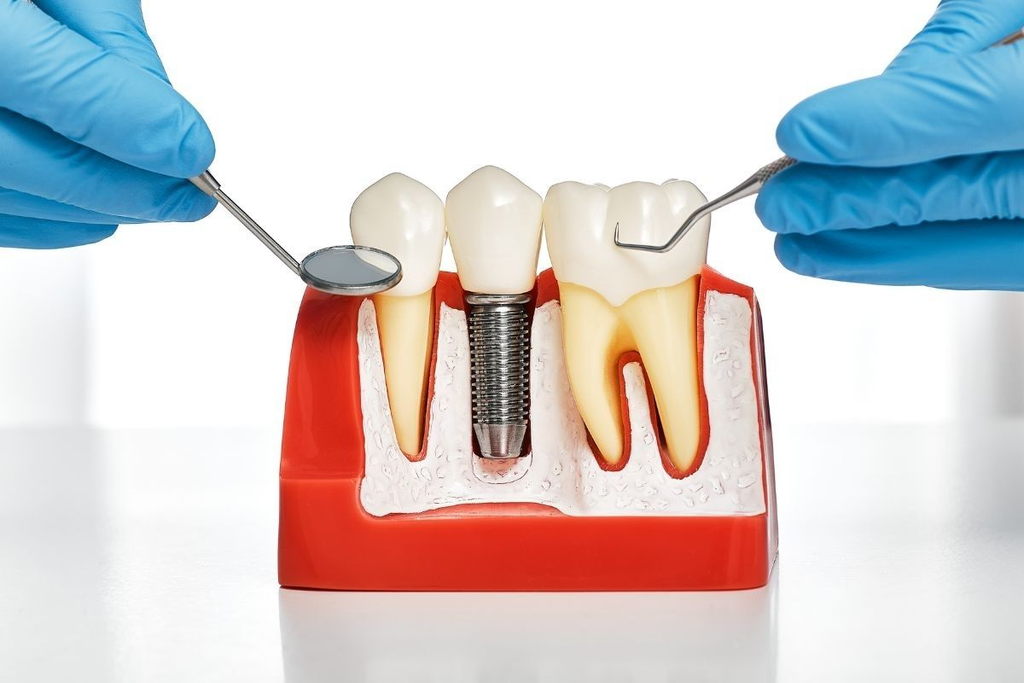
Teeth can change position after tooth loss, but the amount and timing vary. A neighboring tooth may tilt toward the space, while a tooth in the opposite arch may move into an area where it no longer has a biting partner.
The University of Rochester describes opposing-tooth extrusion as one possible change after tooth loss. Such movement can alter the space available for a future restoration.
This does not mean every untreated gap will cause major bite problems. It means your dentist should examine tooth positions and explain whether changes are present or worth monitoring.
When Might Monitoring Be Reasonable?
Monitoring may be an appropriate option when your dentist finds satisfactory function and no compelling reason for immediate replacement.
That decision should follow an assessment. It should also include an explanation of what would lead to reconsidering treatment.
Questions to ask include:
- Do my remaining teeth provide adequate chewing function?
- Is there evidence of movement around the gap?
- What changes should I report?
- Could waiting affect future replacement options?
- When should the gap be reassessed?
Choosing monitoring still involves routine dental care. You can revisit the decision if your comfort, tooth positions, or treatment preferences change. Replacement planning should involve discussion of the available options and their advantages and disadvantages.
When Could an Implant Be Worth Considering?
An implant may be worth discussing when replacement offers a meaningful improvement and the site is suitable for treatment.
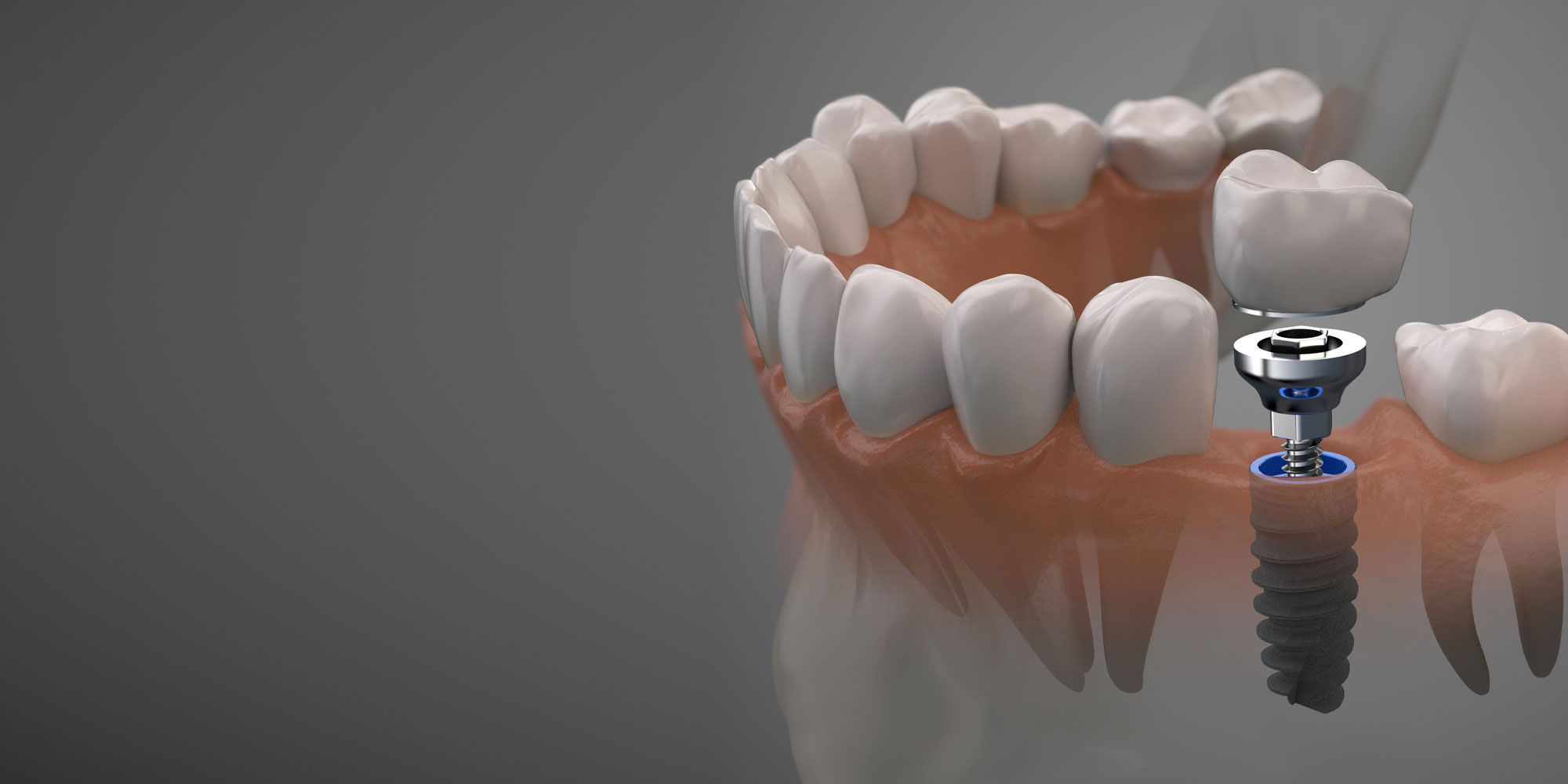
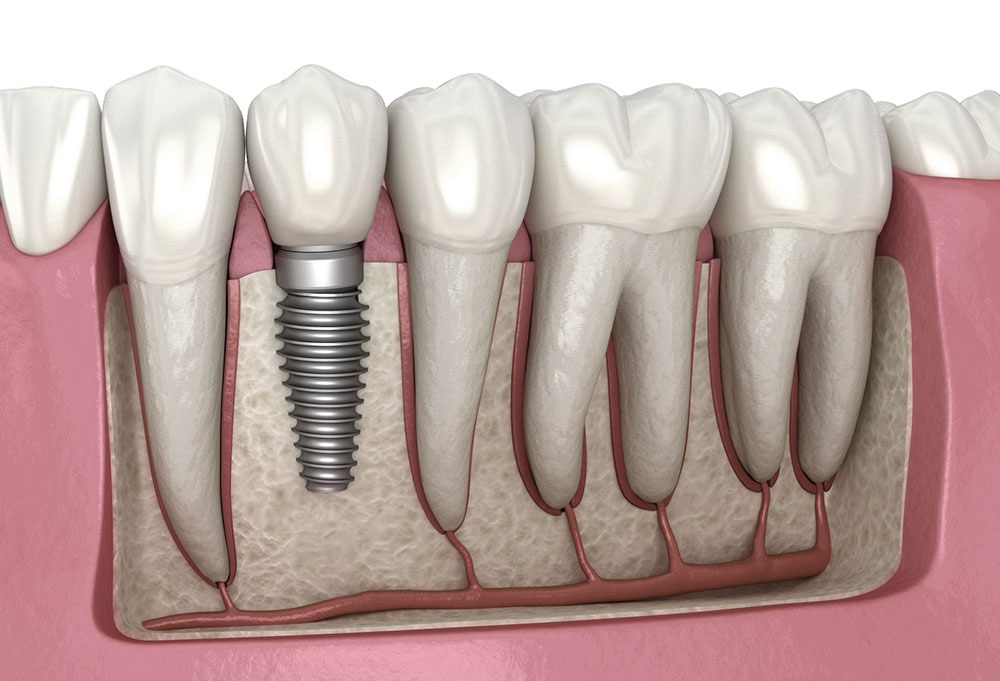
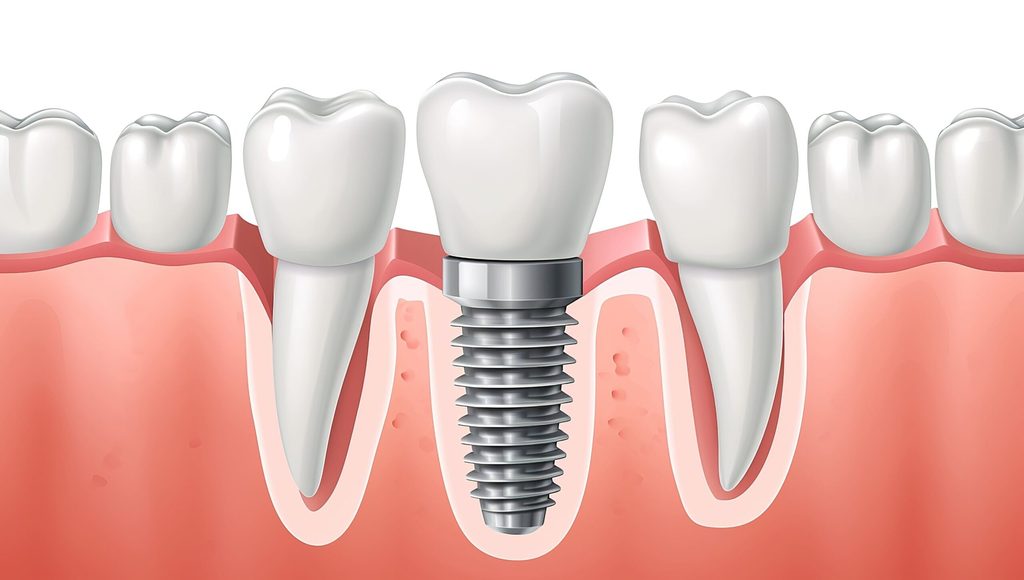
A single-tooth implant supports a crown through a fixture placed in the jawbone. It can replace the missing tooth without relying on neighboring teeth to support a conventional bridge.
Potential reasons to consider treatment include difficulty chewing, dissatisfaction with an existing replacement, or a preference for a fixed restoration. The expected benefit should be specific to your situation.
Leeds Teaching Hospitals explains that implant treatment aims to improve function and comfort while avoiding the need to cut down neighboring teeth for support. It also emphasizes that implants are not suitable for everyone.
What Determines Whether You Are a Suitable Candidate?
An implant dentist in Agoura Hills should assess both the proposed implant site and your overall health.
The assessment commonly considers:
- Available bone and the health of surrounding gums.
- The space needed for the implant and crown.
- Nearby anatomical structures.
- Medical conditions, medications, and smoking.
- Your ability to maintain the restoration.
Examination and imaging help determine whether placement is feasible. If bone is insufficient, grafting may be considered; this can add procedures and healing time.
Ask how your health history affects healing. The FDA identifies overall health and smoking as important considerations in implant treatment and long-term outcomes.
How Does an Implant Compare With Other Options?
An implant is one possible treatment. A bridge, removable partial denture, or monitoring may also deserve consideration.
A conventional bridge uses neighboring teeth for support and usually requires their preparation. A removable partial denture can replace missing teeth but is taken out for cleaning. Suitability depends on the gap and the condition of the remaining mouth.
When comparing dental implants near you, ask the dentist to explain alternatives as well as implant treatment. Consider comfort, cleaning, surgical requirements, treatment time, and total cost.
A useful consultation gives you enough information to understand why one option may suit you better than another.
What Commitments Come With an Implant?
Implant treatment involves surgery, healing, and follow-up appointments. The implant must integrate with the surrounding bone before it can reliably support the planned restoration. Timing varies, and temporary teeth are appropriate only in selected circumstances.
Implants also require ongoing maintenance. Although an implant cannot develop a cavity, the surrounding tissues can develop disease. Crowns and connecting components may need attention over time.
Ask about surgical risks, possible complications, cleaning methods, and expected review appointments. No treatment outcome or lifespan can be guaranteed.
Make the Decision Around Your Mouth and Your Priorities
The question is whether replacing your missing back tooth would provide enough benefit to justify treatment.
If you are comfortable and your dentist finds stable function, monitoring may be reasonable. If the gap affects eating or creates other concerns, replacement deserves a closer discussion.
Living with a missing back tooth? Book a consultation with Agoura Advanced Dentistry to assess your bite and discuss whether an implant, another replacement, or monitoring suits your needs.
Frequently Asked Questions
Do I need an implant if the missing tooth does not hurt?
Pain alone does not determine whether replacement is appropriate. Your dentist also considers chewing function, tooth positions, oral health, and your preferences.
Will my other teeth definitely shift?
No. Movement is possible, but its extent varies. An examination can identify existing changes and guide monitoring.
Can I leave a missing back tooth unreplaced?
Sometimes. Not every missing tooth needs replacement, but that decision should follow an assessment of your mouth and bite.
Is an implant always better than a bridge?
No. The preferred option depends on clinical findings, neighboring teeth, treatment risks, cost, and personal preferences.
Can an implant be placed years later?
It may be possible. Bone support, available space, and oral health must be assessed at that time; preparatory treatment may be necessary.
Do implants need regular dental checkups?
Yes. Cleaning at home and professional reviews remain essential because the tissues around implants can develop disease.


