

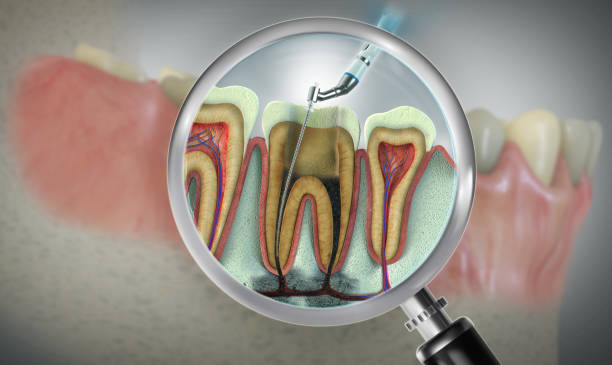
When a tooth becomes infected or severely damaged, removing it is not always the only solution. In many cases, root canal therapy can eliminate infection while allowing you to keep your natural tooth. For patients considering root canal treatment in Los Angeles, understanding how the treatment works and why it can protect long-term oral health can make the decision easier.
Rather than simply addressing tooth pain, root canal therapy removes infection from inside the tooth, protects surrounding tissues, and preserves the tooth’s structure whenever possible.
Table of Contents
- How a Root Canal in Los Angeles Protects Your Natural Tooth
- What Happens During Root Canal Therapy?
- Signs You May Need Root Canal Treatment
- When Should You Seek an Emergency Dentist in Los Angeles?
- Root Canal Near You: What Should You Look For?
- How Root Canal Therapy Supports Long-Term Oral Health
- How to Care for a Tooth After a Root Canal
- Can a Root Canal Prevent Tooth Extraction?
- Frequently Asked Questions
- Protect Your Natural Smile With Professional Dental Care
How a Root Canal in Los Angeles Protects Your Natural Tooth
A root canal in Los Angeles treats infection or inflammation inside the tooth without removing the entire tooth. The procedure involves carefully removing damaged pulp, cleaning and disinfecting the internal canals, and sealing the space to help prevent reinfection.
This approach can preserve the natural tooth and allow it to continue functioning as part of your bite. Keeping your own tooth can also help maintain normal chewing and reduce the changes that may occur when a tooth is lost.
Why Preserving a Natural Tooth Matters
Natural teeth are designed to work together. When one is removed, the surrounding teeth may gradually shift into the open space. This can affect your bite and make cleaning certain areas more difficult.
Preserving a tooth through root canal treatment may help:
- Maintain normal chewing function
- Prevent unwanted movement of nearby teeth
- Preserve the natural appearance of your smile
- Reduce the need for tooth replacement
- Protect the surrounding bone and tissues
- Address infection before it causes more serious dental problems
For these reasons, dentists often consider saving the natural tooth whenever it can be restored safely.

What Happens During Root Canal Therapy?
Many patients are concerned about root canal treatment because they associate it with pain. Modern dental techniques, local anesthesia, and careful treatment planning can make the procedure much more comfortable than many people expect.
A typical treatment involves several stages:
1. Examination and Diagnosis
The dentist first evaluates the tooth and may use dental X-rays or other diagnostic tools to determine the extent of infection or damage. This helps identify whether root canal therapy is appropriate.
2. Removing the Infected Pulp
After numbing the tooth, the dentist creates a small opening and removes the infected or inflamed pulp from inside the tooth.
3. Cleaning and Disinfecting
The dentist carefully cleans the root canals to remove bacteria, damaged tissue, and debris. Thorough cleaning helps reduce the risk of persistent infection.
4. Sealing the Tooth
The dentist fills and seals the cleaned canals with a dental material designed to prevent bacteria from reentering the treated area.
5. Restoring the Tooth
Depending on the tooth’s condition, a dentist may recommend a filling or crown. A crown can protect a weakened tooth and help restore its function.
Signs You May Need Root Canal Treatment
Not every toothache requires a root canal. However, certain symptoms may indicate that the pulp inside a tooth has become infected or significantly inflamed.
Common warning signs include:
- Persistent or severe tooth pain
- Sensitivity to hot or cold that lingers
- Pain when biting or chewing
- Swelling around the affected tooth
- Tender or swollen gums
- A darkening or discoloration of the tooth
- A recurring pimple or abscess on the gums
Sometimes, an infected tooth causes little or no pain. That is why regular dental examinations remain important, especially when an infection is suspected.
When Should You Seek an Emergency Dentist in Los Angeles?
Severe dental pain, facial swelling, a dental injury, or signs of an abscess should not be ignored. These symptoms can indicate an infection that requires prompt evaluation.
If you experience significant pain or swelling, searching for an emergency dentist in Los Angeles can help you find timely dental care. A dental professional can examine the tooth, identify the cause, and recommend appropriate treatment.
Prompt attention may be particularly important when infection is present because untreated dental infections can spread into surrounding tissues.
Root Canal Near You: What Should You Look For?
When searching for a root canal near you, convenience matters, but it shouldn’t be the only consideration. Root canal therapy requires accurate diagnosis, careful treatment, and appropriate restoration afterward.
Consider asking the dental office:
- What is causing the tooth problem?
- Is root canal therapy the best option for saving the tooth?
- What type of restoration will the tooth need afterward?
- How many appointments may be required?
- What should I expect during recovery?
- What can I do to protect the treated tooth?
Clear answers can help you understand your treatment options and make an informed decision.
How Root Canal Therapy Supports Long-Term Oral Health
The benefits of root canal therapy extend beyond relieving immediate discomfort. Treating an infected tooth can help stop the infection from progressing while preserving the tooth’s role in your mouth.
A healthy, restored tooth can continue supporting normal chewing and help maintain a balanced bite. In contrast, extracting a tooth may require replacement with an implant, bridge, or another restorative option.
Root canal treatment is therefore not simply about treating pain. It can be part of a broader strategy to preserve your natural teeth and maintain oral function.
How to Care for a Tooth After a Root Canal
Following your dentist’s instructions after treatment can help protect the restored tooth.
Helpful habits include:
- Avoid chewing hard foods on the treated tooth until your dentist advises that it is safe.
- Brush twice daily with fluoride toothpaste.
- Clean between your teeth every day.
- Attend recommended dental examinations and cleanings.
- Wear a mouthguard if you participate in contact sports.
- Contact your dentist if you develop pain, swelling, or other unusual symptoms.
If a crown is recommended, having it placed as advised can also help protect a tooth that has become structurally weaker after extensive decay or treatment.
Can a Root Canal Prevent Tooth Extraction?
In many appropriate cases, yes. The primary purpose of root canal therapy is to remove infection from inside a tooth while preserving the remaining healthy structure.
However, not every tooth can be saved. Severe fractures, extensive structural damage, advanced bone loss, or other conditions may make extraction necessary. A dental examination is needed to determine whether the tooth has a reasonable chance of being restored.

Restore Your Smile With Root Canal Therapy
Relieve tooth pain and protect your natural tooth with expert root canal therapy in Los Angeles. Schedule your consultation with Century Smile Maker today.
Frequently Asked Questions
Is a root canal painful?
The procedure is performed with local anesthesia to keep you comfortable during treatment. Some tenderness may occur afterward, but your dentist will provide guidance on managing normal post-treatment discomfort and maintaining proper dental care during recovery.
Is it better to save a natural tooth than remove it?
When a tooth can be predictably restored, preserving it can help maintain natural chewing function and reduce the need for tooth replacement. Your dentist can explain whether saving the tooth is appropriate in your situation.
What happens if an infected tooth is not treated?
An untreated infection may worsen and potentially affect the surrounding tissues. Pain can also increase, although some dental infections may remain relatively painless. Professional evaluation is important when infection is suspected.
Can a Root Canal Prevent Tooth Extraction?
Yes, root canal treatment can often prevent tooth extraction when the tooth has enough healthy structure to be successfully restored.
Protect Your Natural Smile With Professional Dental Care
A damaged or infected tooth does not automatically mean that it needs to be removed. When appropriate, root canal treatment in Los Angeles can eliminate infection, preserve natural tooth structure, and help maintain normal oral function.
Early evaluation matters because treating a dental problem before it becomes more extensive may offer more options to preserve the tooth. If you are experiencing persistent tooth pain, sensitivity, swelling, or another concerning symptom, consider scheduling an evaluation with a qualified dentist in Los Angeles.
If you’re experiencing persistent tooth pain, sensitivity, swelling, or other symptoms of a possible infection, Century Smile Maker can evaluate your tooth and discuss appropriate treatment options. View Century Smile Maker on Google Maps to explore the practice location and plan your visit.


